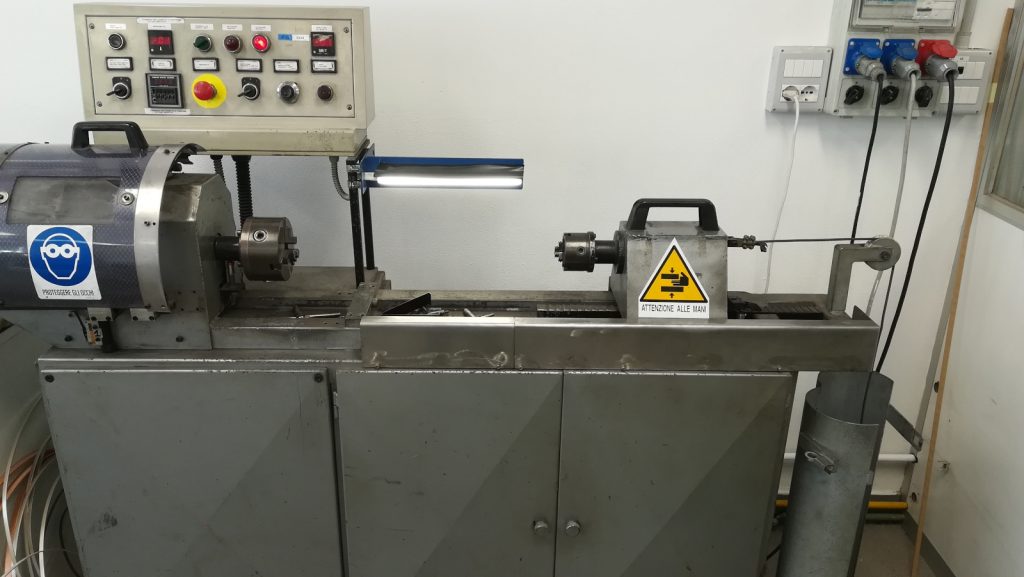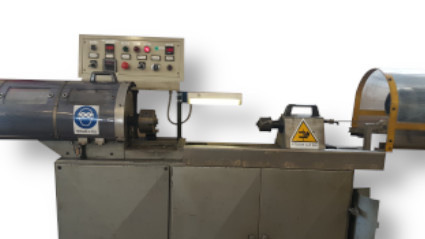
This is a versatile instrument that allows for the verification of specific characteristics on various products. When this instrument is used for enamelled products, two important characteristics are verified: adhesion and flexibility.
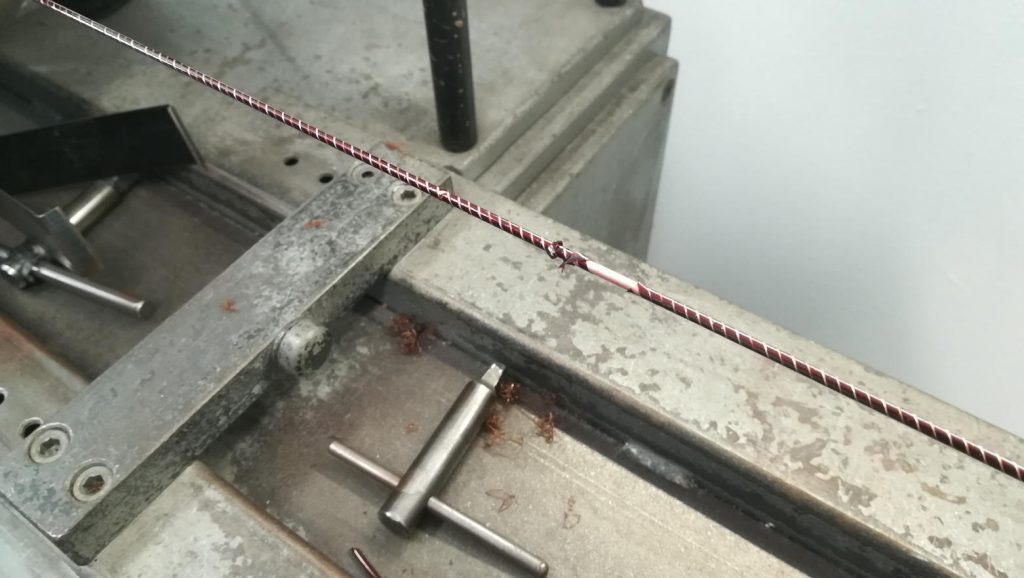
Flexibility is verified by winding a sample of enamelled wire onto a mandrel of the same diameter. This operation creates surface tensions on the enamel, causing it to elongate.
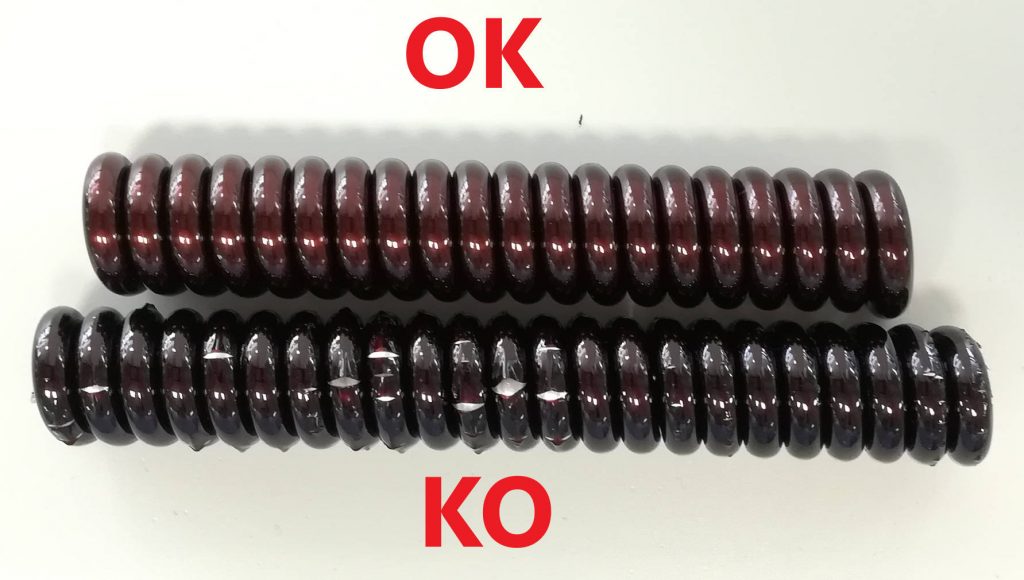
Winding of enamelled wires
The test is successful if no surface fractures of the insulation occur, thus verifying the correct curing of the applied polymers.
Adhesion is verified via the Peeling Test. The sample is secured in the lathe, and a linear removal of the enamel is performed to facilitate its loss of surface adhesion when subjected to torsion.
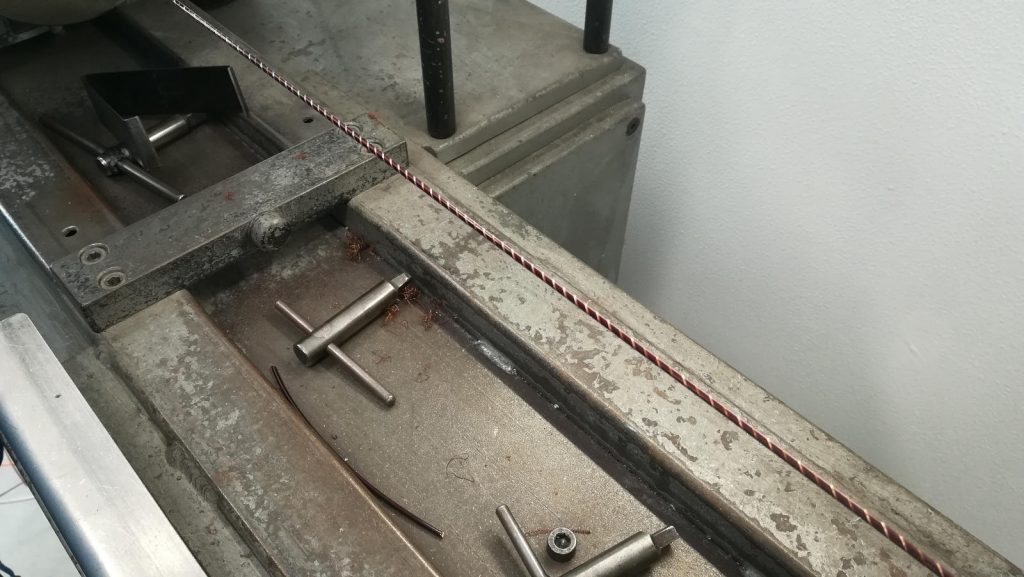
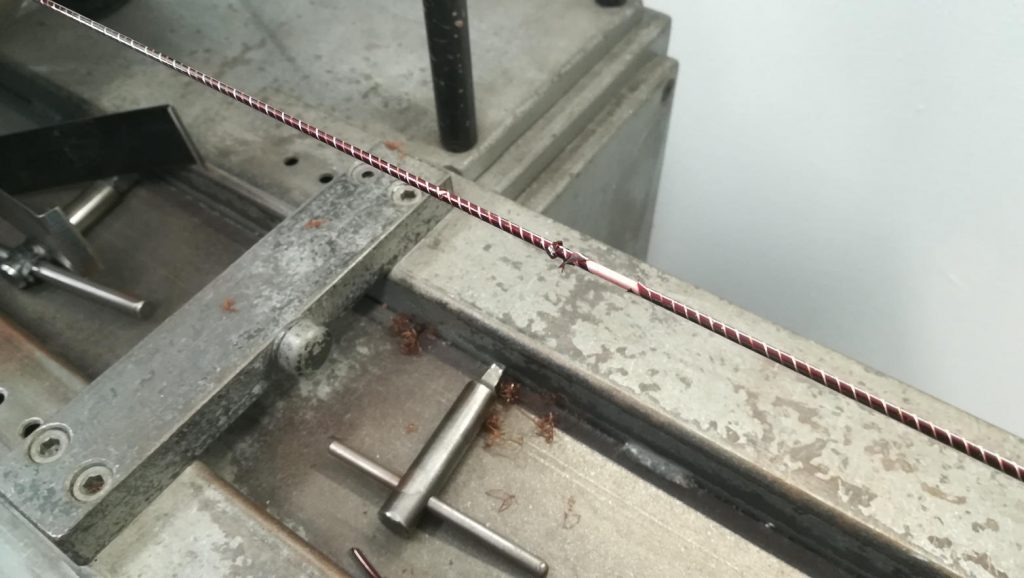
A successful test is determined by the number of twists performed, which depends on the sample diameter and the type of metal tested (Cu/Al).
Torsion testers are also used to check the surface characteristics of the aluminium and steel wires of conductors for overhead electrical lines. This test is carried out by winding the aluminium wire onto a mandrel of the same diameter, and the absence of surface defects must be verified. In the case of steel wires, the purpose is to check the quality of the surface galvanisation, and the winding mandrel depends on the amount of zinc deposited on the steel wire. The test’s success is determined by the zinc not flaking off.
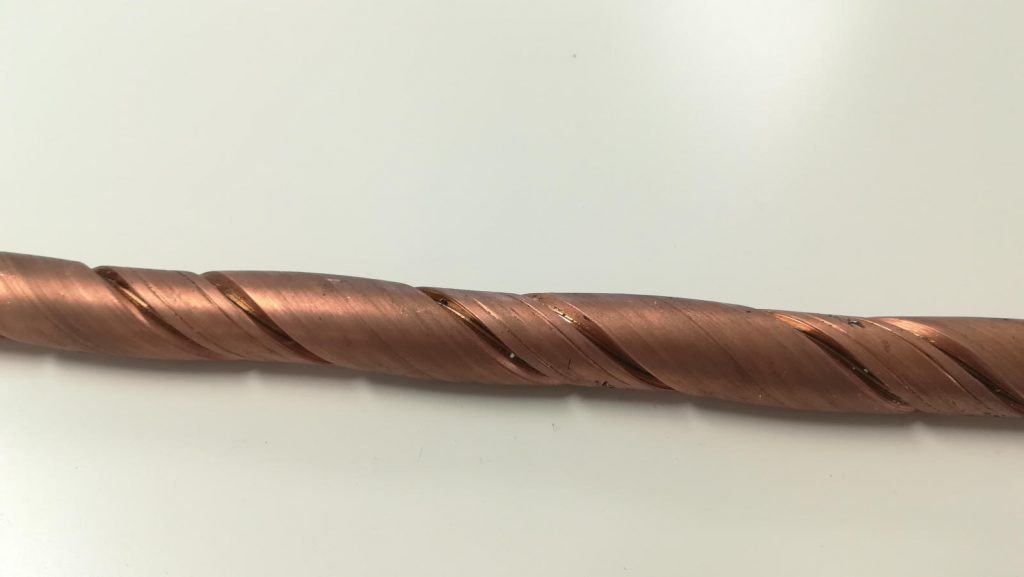
The torsion test can also be performed on trolley wire (as an optional standard test). The test is passed if no “cracks, flakes, fissures, or incipient fractures” appear.
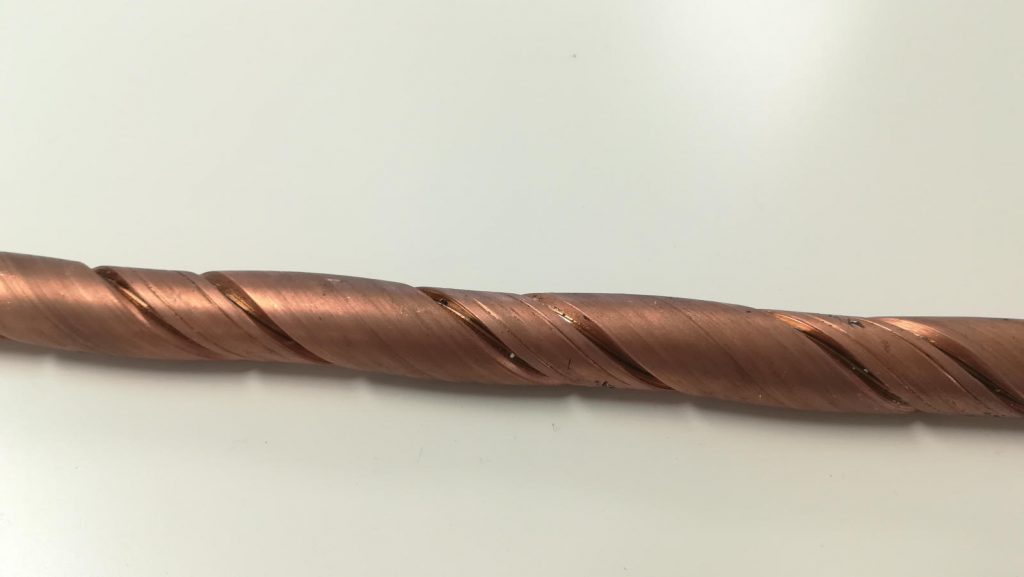
Torsion test on trolley wire